
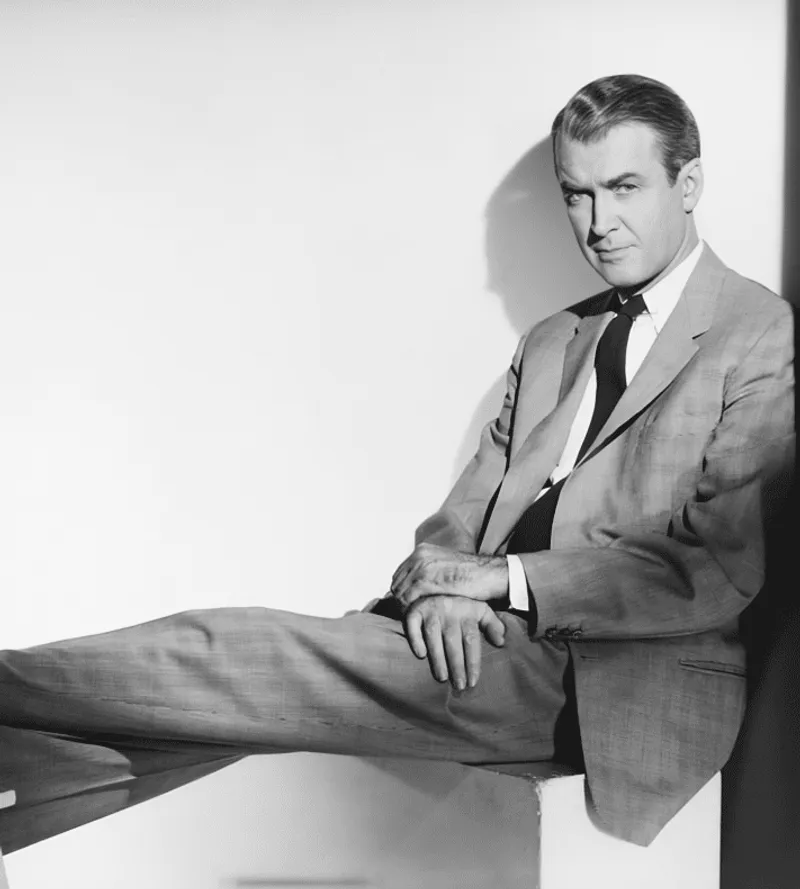
James “Jimmy” Stewart: The Great Hollywood Actor
Few actors have left a mark on classic American cinema quite like James Stewart, better known to audiences as Jimmy Stewart. With his distinctive voice, relatable personality, and memorable performances, he became one of Hollywood’s most admired leading men. While many remember him for his iconic roles on screen, his life beyond the camera was equally fascinating, shaped by personal challenges, professional dedication, and service to his country.
A Small-Town Beginning
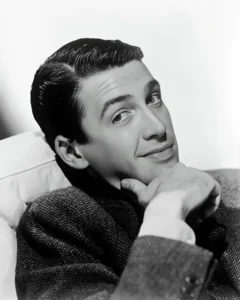
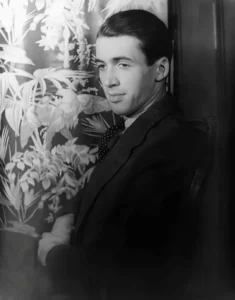
Jimmy Stewart was born on May 20, 1908, in Indiana, Pennsylvania. He grew up in a close-knit family where his father owned a hardware store and his mother enjoyed music, particularly the piano. His upbringing reflected many of the values associated with early twentieth-century America: hard work, community involvement, and family responsibility.
As a child, Stewart was not especially drawn to acting. Instead, he spent much of his free time building model airplanes and exploring mechanical projects. His fascination with aviation would later play a significant role in his life. Like many young people, his future talents were not immediately obvious, proving that interests and abilities often develop over time.
A Reserved Personality in the Spotlight
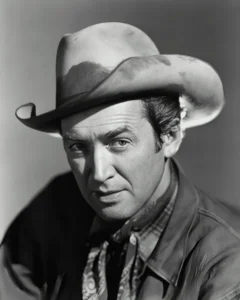
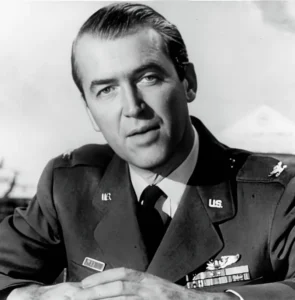
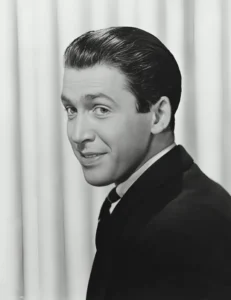
Although he became one of the most recognizable faces in Hollywood, Stewart remained notably private throughout his career. Unlike many modern celebrities who share details of their personal lives publicly, he preferred to keep his thoughts and relationships out of the spotlight.
Friends and colleagues often described him as thoughtful, respectful, and somewhat reserved. His quiet nature helped him maintain a sense of normalcy despite his enormous fame. This balance between public success and personal privacy contributed to the authenticity that audiences admired in him.
Education and Early Ambitions
Stewart attended Princeton University, where he studied architecture. While his academic performance was solid, he was often remembered as a creative thinker with a vivid imagination rather than a highly competitive student.
During his university years, he became involved in theatrical productions and discovered a passion for acting. Participation in campus performances allowed him to develop confidence and communication skills that would later serve him well in Hollywood. His journey illustrates how extracurricular experiences can sometimes shape a career more profoundly than formal coursework alone.
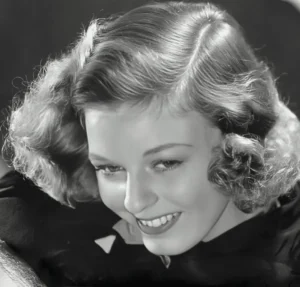
The Influence of Margaret Sullavan
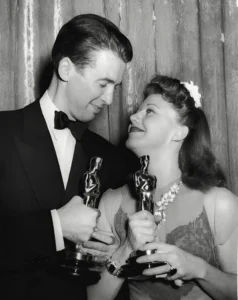
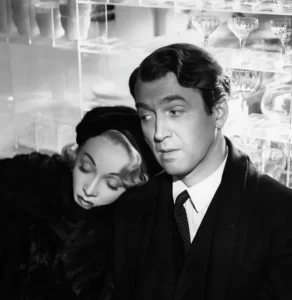
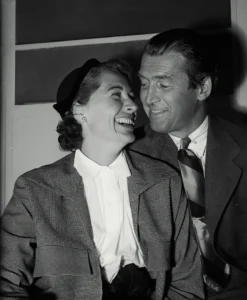
One of the most important figures in Stewart’s early acting career was Margaret Sullavan. Their professional relationship helped him gain valuable opportunities in the film industry at a time when studio executives were uncertain about his potential.
Sullavan recognized his natural talent and encouraged him to pursue more significant roles. Through collaboration and mentorship, Stewart refined his acting style and developed the confidence necessary to succeed in a highly competitive environment. Their partnership demonstrates the value of mentorship in creative professions.
Finding Stardom in Hollywood
Stewart’s career gained momentum during the 1930s and 1940s as he appeared in a series of successful films. His ability to portray ordinary people with sincerity made him stand out among many of his contemporaries.
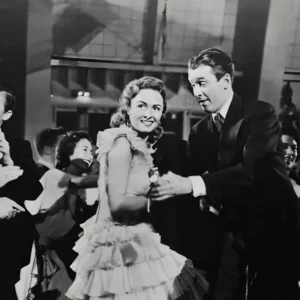
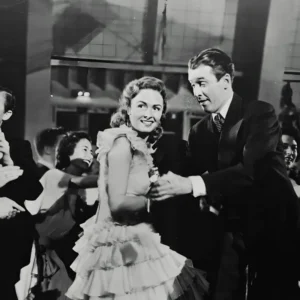
A major turning point came when director Frank Capra cast him in the classic film It’s a Wonderful Life. Although the movie was not an immediate commercial success, it later became one of the most beloved holiday films ever made.
Stewart’s portrayal of George Bailey resonated with audiences because it reflected themes of perseverance, community, and the impact one person can have on others. Today, the film continues to be celebrated by generations of viewers around the world.
Service During World War II
One of the most remarkable aspects of Stewart’s life was his military service. During World War II, he joined the United States Army and served as a pilot.
Unlike many actors whose wartime contributions remained largely symbolic, Stewart actively participated in military operations. His aviation experience and leadership skills helped him advance through the ranks, eventually achieving the rank of brigadier general in the Air Force Reserve.
His military record earned widespread respect and demonstrated that his commitment to service extended beyond his public image as a movie star.
Personal Relationships and Challenges
Like many public figures, Stewart experienced ups and downs in his personal life. Several of his relationships attracted public attention, including romances with notable actresses of the era.
However, Stewart was often cautious about marriage and long-term commitments during his younger years. Some relationships ended unexpectedly, contributing to a reputation for hesitancy when it came to settling down. Despite these challenges, he eventually found lasting happiness with his wife, Gloria Hatrick McLean, whom he married in 1949.
Their marriage remained strong for decades and provided stability throughout the later stages of his life and career.
A Dedicated Performer
Colleagues frequently remarked on Stewart’s deep commitment to his craft. Although he appeared relaxed and natural on screen, he invested considerable emotional energy into his performances.
Actress Kim Novak, who starred alongside him in Vertigo, noted that Stewart often immersed himself fully in demanding scenes. His dedication helped create memorable characters that felt genuine and relatable.
Modern audiences sometimes associate this level of commitment with method acting, though Stewart developed his own unique approach focused on authenticity and emotional honesty.
Admired by Audiences and Leaders Alike
Stewart’s popularity extended far beyond movie theaters. His reputation for integrity, kindness, and professionalism earned admiration from people across all walks of life.
Among his notable admirers was Harry S. Truman, who reportedly praised Stewart’s character and values. Such recognition reflected the positive image he cultivated throughout his career.
Conclusion
Jimmy Stewart’s story is about much more than Hollywood success. From his modest beginnings in Pennsylvania to his celebrated acting career and distinguished military service, he embodied qualities that resonated with audiences for generations. His humility, dedication, and authenticity helped him become one of cinema’s most enduring figures.
Today, decades after his most famous performances, Jimmy Stewart remains a symbol of classic Hollywood at its finest—an actor whose legacy continues to inspire movie lovers, historians, and aspiring performers around the world.
