
Parents often pay close attention to changes in their children’s behavior, especially when something unusual begins to happen repeatedly. Sometimes those observations reveal a problem that needs attention. Other times, they uncover something far more surprising—and inspiring.
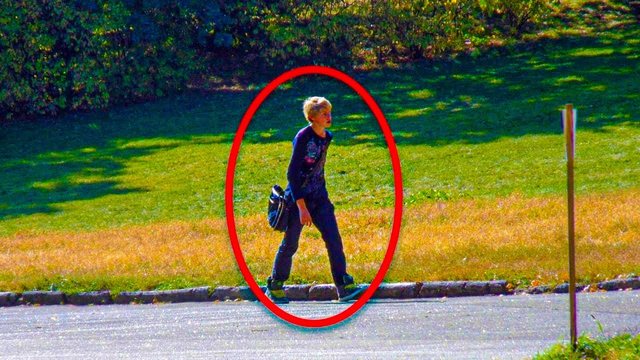
One family experienced such a moment when a father noticed that his eight-year-old son seemed to leave the house quietly every evening. At first, he assumed it was simply a childhood habit or an innocent adventure. However, as the pattern continued night after night, his concern began to grow.
Wondering where his son was going and why he felt the need to keep it a secret, the father decided to find out for himself.
A Parent’s Growing Concern
Children are naturally curious, and many enjoy exploring the world around them. Yet when a child regularly disappears without explanation, it is understandable that a parent might become worried.
The father considered several possibilities. Was his son meeting strangers? Was he wandering into unsafe areas? Had something happened that the boy felt unable to discuss?
Rather than immediately confronting him, the father chose a calmer approach. One evening, he quietly followed his son from a distance, careful not to be noticed.
As they moved through the neighborhood, the father’s concern intensified. He had no idea what he was about to discover.
An Unexpected Destination
After walking for several minutes, the boy arrived at a small local park.
The father watched as his son approached a group of stray dogs and cats that appeared to spend much of their time in the area. To his surprise, the child reached into a small bag and began taking out food.
Patiently and gently, he fed each animal. He spoke softly to them, stroked their fur, and spent time making sure they felt safe and comfortable. The animals clearly recognized him and seemed happy to see him return.
What amazed the father most was the consistency of his son’s actions. This was not a one-time act of kindness. The boy had been quietly caring for these abandoned animals for weeks.
He had noticed a need and decided, in his own small way, to help.
The Power of Empathy in Childhood
Experts in child development often emphasize the importance of empathy—the ability to understand and care about the feelings and needs of others. Acts of compassion during childhood can help develop emotional intelligence, responsibility, and social awareness.
Children frequently show remarkable kindness when given opportunities to connect with people, animals, and their communities. Research suggests that caring for animals can encourage patience, nurturing behavior, and a greater sense of responsibility.
The boy in this story demonstrated these qualities naturally. Without seeking recognition or praise, he chose to help vulnerable animals simply because he believed they deserved care.
A Moment That Touched a Parent’s Heart
As the father observed his son’s actions, his concern gradually gave way to admiration.
He realized that the secret nighttime walks were not the result of mischief or danger. Instead, they reflected a level of compassion he had never fully recognized in his young child.
When the boy finished feeding the animals, the father approached him. Rather than expressing anger for leaving the house without permission, he talked with him about what he had been doing.
The conversation revealed that the child felt sorry for the animals because many people ignored them. He wanted to make sure they had food and companionship, even if only for a short time each day.
The father was deeply moved. He hugged his son and promised that they would find safer and more organized ways to help the animals together.
How Small Acts Can Inspire a Community
Stories of kindness often have a ripple effect. When people witness compassion, they are frequently motivated to take positive action themselves.
As neighbors learned about the boy’s efforts, many were inspired to contribute. Some donated pet food, while others helped contact local animal welfare groups. Volunteers began exploring ways to support abandoned animals in the area and encourage responsible pet ownership.
What started as one child’s quiet act of caring gradually became a community effort.
This illustrates an important lesson: meaningful change does not always begin with large organizations or major campaigns. Sometimes it starts with a single person noticing a problem and deciding to help.
Conclusion
Whether this story is viewed as an inspiring anecdote or a reminder of the importance of compassion, its message remains powerful. Kindness is not limited by age, experience, or resources.
An eight-year-old child’s concern for abandoned animals demonstrated how empathy can make a real difference. His actions reminded those around him that even small gestures can have a positive impact on the lives of others.
In a world that often focuses on big achievements, stories like this encourage us to remember the value of simple acts of care, generosity, and responsibility. Sometimes, the most meaningful lessons come from the youngest among us.
