
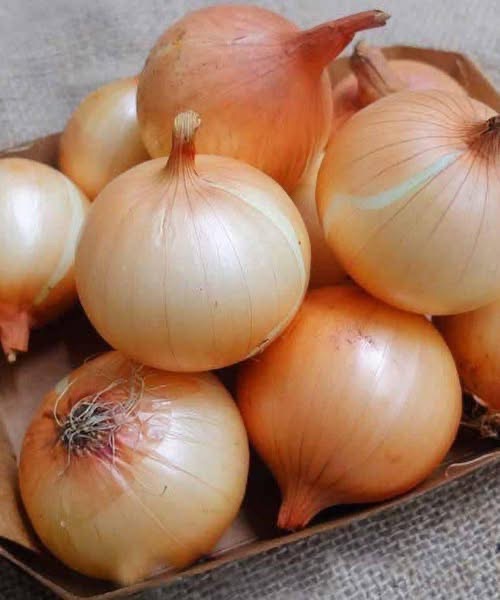
Onions are among the most widely used vegetables in the world and have been a staple ingredient in countless cuisines for centuries. Despite their simplicity, they play an essential role in cooking by adding depth, aroma, and flavor to a wide variety of dishes. From traditional family recipes to modern culinary creations, onions remain one of the most important ingredients found in kitchens across the globe.
Why Are Onions So Popular?
One of the most remarkable qualities of onions is how their flavor changes depending on how they are prepared. When eaten raw, onions offer a sharp, pungent taste that can add freshness and character to salads, sandwiches, and side dishes. When lightly sautéed, their flavor becomes milder and more aromatic. As they continue to cook and caramelize, onions develop a natural sweetness that enhances soups, sauces, stews, and roasted dishes.
This versatility allows onions to complement a wide range of ingredients, including meat, fish, grains, legumes, and vegetables. Whether they serve as the main ingredient or simply provide a flavorful foundation, onions contribute significantly to the overall taste and balance of a meal.
A Rich History in Global Cuisine
Onions have been cultivated and consumed for thousands of years. Historical records suggest they were valued by ancient civilizations for their long shelf life, affordability, and culinary usefulness. Today, onions remain a dietary staple in many parts of the world because they are easy to grow, widely available, and suitable for countless recipes.
Different varieties of onions are used for different purposes. Yellow onions are often favored for cooking because of their balanced flavor. Red onions are popular in salads and fresh dishes due to their vibrant color and slightly milder taste. White onions tend to have a cleaner, sharper flavor and are commonly used in various regional cuisines.
Nutritional Benefits of Onions
In addition to their culinary value, onions contain several nutrients and plant compounds that can contribute to a balanced diet. They are naturally low in calories while providing small amounts of vitamins and minerals, including vitamin C, potassium, and folate.
Onions are also a source of naturally occurring plant compounds known as flavonoids. One of the most studied flavonoids found in onions is quercetin, which has antioxidant properties. Antioxidants help protect cells from oxidative stress caused by normal metabolic processes and environmental factors.
While onions should not be viewed as a cure or treatment for any medical condition, including a variety of vegetables such as onions in a balanced eating pattern can contribute to overall nutritional intake.
Supporting Digestive Health
Another notable feature of onions is their fiber content. They contain dietary fiber and naturally occurring prebiotic compounds that can help nourish beneficial bacteria in the digestive system. A healthy gut microbiome plays an important role in digestion and overall well-being.
Including fiber-rich foods in everyday meals may support digestive regularity and contribute to a more balanced diet. Pairing onions with other vegetables, whole grains, and legumes can help increase overall fiber intake.
Affordable and Easy to Use
One reason onions remain a household favorite is their affordability. Unlike many specialty ingredients, onions are available year-round in most markets and are generally budget-friendly. This makes them an accessible option for families looking to prepare flavorful meals without increasing food costs.
Their versatility also makes meal preparation easier. Onions can be grilled, roasted, baked, fried, caramelized, pickled, or eaten raw. They work well in soups, pasta dishes, rice recipes, stir-fries, casseroles, and countless other meals. Even a small amount of onion can significantly enhance the flavor profile of a dish.
Tips for Cooking with Onions
To get the most out of onions in your cooking, consider choosing the variety that best suits the recipe. Red onions are often ideal for fresh preparations, while yellow onions are a reliable all-purpose choice for cooked dishes. Slow cooking can help bring out their natural sweetness, while quick sautéing preserves more of their sharp, savory character.
Proper storage is also important. Onions should generally be kept in a cool, dry, and well-ventilated place to maintain freshness and extend shelf life.
Things to Keep in Mind
Although onions are well tolerated by many people, some individuals may experience digestive discomfort after consuming them, particularly in large amounts or when eaten raw. Cooking onions often reduces their intensity and may make them easier to digest for some people.
As with any food, individual responses can vary, and moderation is an important part of maintaining a balanced diet.
