Summer Berries Are a Seasonal Favorite—But How Clean Are They?
Few foods are as closely associated with summer as a bowl of fresh berries. Strawberries, blueberries, blackberries, and raspberries are popular for their sweet flavor, vibrant colors, and impressive nutritional value. Rich in fiber, vitamin C, antioxidants, and plant compounds, berries are often considered one of the healthiest additions to a balanced diet.
However, recent reports have renewed public interest in a less appealing topic: pesticide residues on produce. Understanding how to wash summer berries properly can help consumers reduce exposure to certain surface residues while still enjoying the nutritional benefits these fruits provide.
The good news is that experts agree there are simple and practical steps that can make a difference.
Why Berries Often Receive Extra Attention
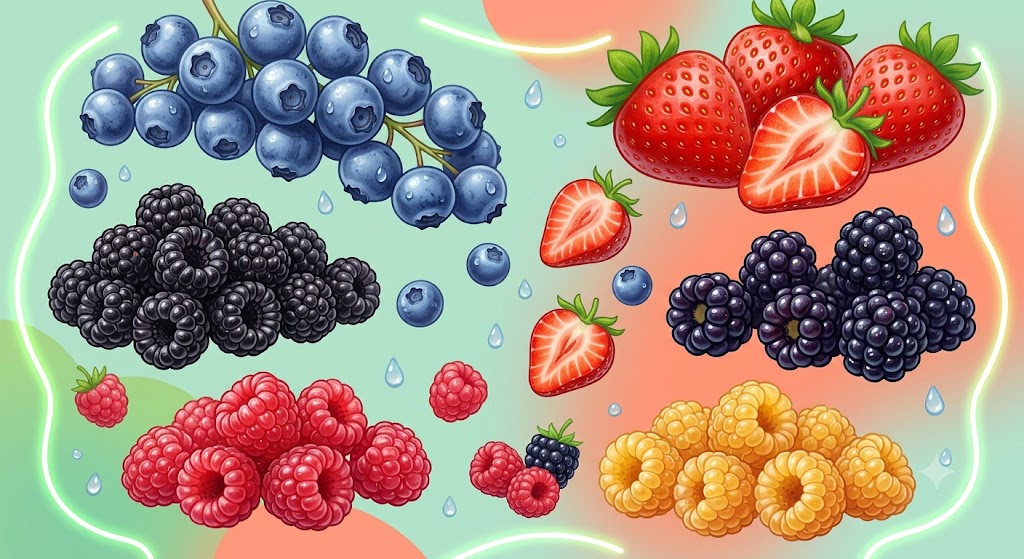
Berries are delicate crops that can be vulnerable to insects, mold, and plant diseases during cultivation. To protect harvests, growers may use various pest-control methods, including pesticides approved by regulatory authorities.
Organizations that monitor pesticide residues often find detectable traces on some berry varieties. While government agencies establish safety limits for these residues, many consumers still prefer to minimize exposure whenever possible, especially for young children and pregnant women.
Experts emphasize that the health benefits of eating fruits and vegetables generally outweigh potential concerns about pesticide residues. The goal is not to avoid berries, but rather to handle and prepare them wisely.
How to Wash Summer Berries Effectively
Start With a Gentle Soak
Research suggests that soaking produce in a mild baking soda solution may help reduce certain surface pesticide residues more effectively than water alone.
A commonly recommended mixture includes:
1 teaspoon baking soda
2 cups cool water
For most berries, a brief soak is sufficient.
Because berries have delicate skins and high water content, they should not be left in water for extended periods. A short soak helps avoid changes in texture while still providing cleaning benefits.
Rinse Thoroughly
After soaking, rinse berries under cool running water. This step helps remove loosened dirt, debris, and residue from the fruit’s surface.
Rather than pouring the soaking water directly over the berries, lift the fruit out of the bowl first. This prevents any dirt that settled at the bottom from returning to the produce.
Dry Before Storing

Excess moisture can speed up spoilage. After rinsing, gently pat berries dry using a clean towel or paper towel.
Proper drying helps maintain freshness and reduces the likelihood of mold growth during storage.
Best Washing Practices for Different Types of Berries
Strawberries
Strawberries have a porous texture and should be washed shortly before eating rather than immediately after purchase.
Experts recommend leaving the green tops attached during washing. Removing them first may allow water and dissolved residues to enter the fruit through the exposed opening.
Blueberries
Blueberries have a slightly tougher outer skin and can tolerate a brief soak of one to two minutes before rinsing.
Their natural protective coating helps preserve freshness, so gentle handling is important to avoid damaging the fruit.
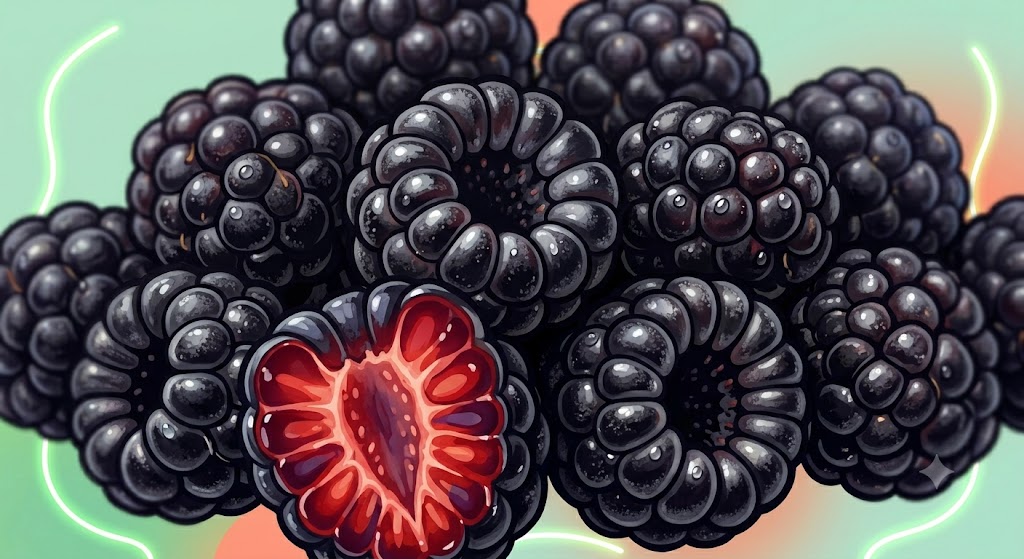
Blackberries
Blackberries are fragile but generally hold up well during a quick cleaning process. A short dip in baking soda solution followed by a thorough rinse and careful drying is often sufficient.
Raspberries
Raspberries are among the most delicate berries available. They should be handled gently and washed quickly to prevent damage.
Many experts consider raspberries a lower-residue option compared to some other berry varieties, but washing remains an important food safety practice.
Organic vs. Conventional Berries
Some consumers choose organic berries to reduce exposure to synthetic pesticides. Organic farming standards restrict the use of many conventional pesticide products, although organic produce may still contain traces from environmental contamination or approved natural treatments.
For families concerned about pesticide exposure, experts often recommend prioritizing organic purchases for produce known to carry higher residue levels when budget allows.
At the same time, conventional berries remain a nutritious food choice. Proper washing and handling can help reduce certain surface residues and support safe consumption.
Additional Food Safety Tips
Wash Before Eating, Not Before Storing
Cleaning berries immediately before consumption helps preserve freshness and prevent premature spoilage.
Keep Produce Refrigerated
Store berries in the refrigerator and remove any damaged fruit to slow mold growth.
Wash Your Hands First
Always wash your hands before handling fresh produce to reduce the risk of transferring bacteria or contaminants.
Use Clean Utensils and Containers
Ensure bowls, strainers, cutting boards, and storage containers are thoroughly cleaned before use.
The Bigger Picture
While discussions about pesticide residues often attract attention, nutrition experts consistently encourage people to continue eating a variety of fruits and vegetables. Berries remain one of the most nutrient-dense foods available and provide important vitamins, minerals, and antioxidants that support overall health.
Learning how to wash summer berries correctly offers a practical way to reduce surface residues while preserving the many benefits these fruits provide. Combined with proper storage and handling, a simple cleaning routine can help families enjoy berry season with greater confidence.
Conclusion
Fresh berries are a delicious and nutritious part of a healthy diet, but proper preparation is an important step before serving them. Whether you prefer strawberries, blueberries, blackberries, or raspberries, understanding how to wash summer berries can help reduce surface contaminants and improve food safety.
A brief baking soda soak, a thorough rinse, and careful drying remain among the simplest and most effective household methods. By following these easy steps, consumers can continue enjoying one of summer’s most popular foods while making informed choices about produce preparation.
Sources & References
- Environmental Working Group (EWG) – 2026 Shopper’s Guide to Pesticides in Produce (Dirty Dozen & Clean Fifteen)
- United States Department of Agriculture (USDA) – Pesticide Data Program
- United States Environmental Protection Agency (EPA) – Pesticide Safety and Regulation
- American Academy of Pediatrics (AAP) – Information on Children’s Exposure to Pesticides
- Harvard T.H. Chan School of Public Health – Environmental Health and Exposomics Research
- UCLA Fielding School of Public Health – Environmental Health Sciences
- European Food Safety Authority (EFSA) – Scientific Assessments of Pesticides
- U.S. Food and Drug Administration (FDA) – Safe Produce Handling and Preparation
- Alliance for Food and Farming
- Environmental Working Group (EWG) Research Review on Produce Washing Methods (2026)
Further Reading
- Harvard T.H. Chan School of Public Health – Nutrition Source
- Centers for Disease Control and Prevention (CDC) – Food Safety
- World Health Organization (WHO) – Food Safety and Healthy Diet
- U.S. Food and Drug Administration (FDA) – Fresh Produce Safety
- Environmental Protection Agency (EPA) – Pesticides and Human Health