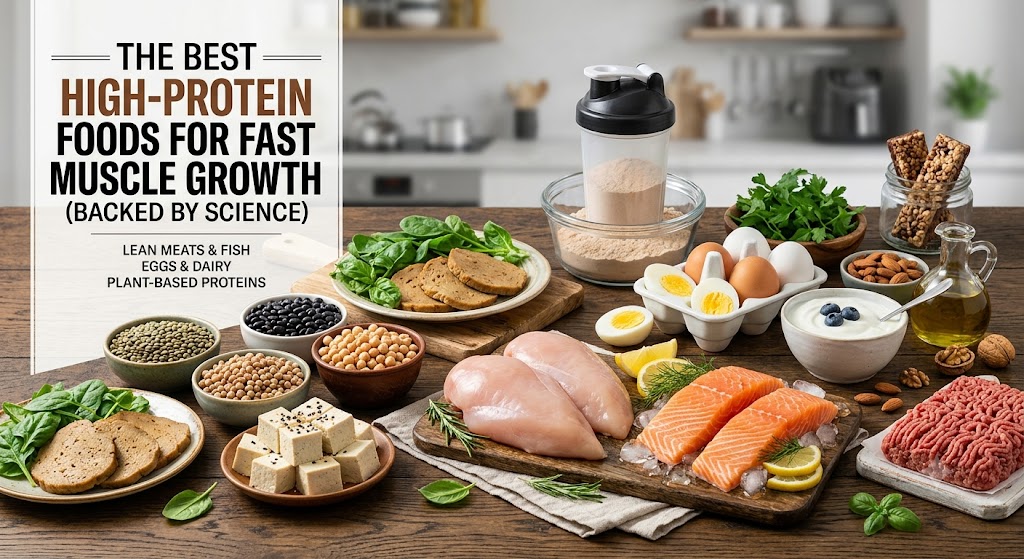
Creating a high-protein diet to promote muscle growth requires a balance of high-quality protein sources, consistent training, and strategic timing. Science-backed nutrition focuses on maximizing muscle protein synthesis (MPS)—the process your body uses to repair and grow muscle fibers after exercise.
Here is a guide to the best high-protein foods to include in your diet for optimal muscle growth.
Why Protein is Essential for Muscle Growth
When you engage in resistance training, you create microscopic tears in your muscle fibers. Protein provides the essential amino acids (the “building blocks”) necessary to repair these tears, making the muscle larger and stronger. To maximize results, aiming for a consistent daily protein intake is more important than consuming huge amounts in a single sitting.
The Best Science-Backed Protein Sources
1. Whey Protein
Whey is widely considered the gold standard for post-workout nutrition due to its high concentration of leucine, an essential amino acid that acts as a primary “switch” for muscle protein synthesis. It is fast-digesting, making it ideal for delivering nutrients to your muscles quickly when they need them most.
2. Eggs
Often called the “perfect protein,” eggs contain high-quality, bioavailable protein and healthy fats. The yolk is particularly rich in nutrients like choline and vitamins that support overall health, while the white provides pure, easily digestible protein.
3. Lean Meats (Chicken, Turkey, Lean Beef)
Chicken and Turkey: These are excellent sources of lean protein, providing high protein-to-calorie ratios that support muscle gain without excessive fat.
Lean Beef: Beyond protein, lean beef is a powerhouse of iron, B-vitamins, and creatine—a compound scientifically proven to increase strength and explosive power during training.
4. Greek Yogurt
Unlike regular yogurt, Greek yogurt is strained to remove excess whey, resulting in a much higher protein content. It also provides a mix of casein and whey proteins. Casein is slow-digesting, which can provide a sustained release of amino acids, making it a great snack choice, especially before sleep.
5. Fish (Salmon, Tuna)
Fish offers high-quality protein along with Omega-3 fatty acids. Omega-3s have anti-inflammatory properties, which can help reduce muscle soreness and improve recovery time between intense training sessions.
6. Plant-Based Powerhouses (Lentils, Tofu, Seitan)
For those following plant-based diets, these sources are highly effective:
Lentils and Beans: Great sources of protein and fiber, which help regulate energy levels.
Tofu: A complete plant protein containing all essential amino acids.
Seitan: Known as “wheat meat,” it is one of the highest plant-based protein sources available, mimicking the texture of meat.
Practical Tips for Success
Distribute Protein Throughout the Day: Instead of one massive protein meal, aim to include a high-quality protein source in every meal (breakfast, lunch, dinner, and snacks) to keep MPS elevated.
Focus on Whole Foods: While supplements like protein powder are convenient, whole foods offer a broader spectrum of micronutrients that support overall metabolic health and recovery.
Don’t Ignore Carbohydrates and Fats: Muscle growth is an energy-demanding process. Carbohydrates fuel your workouts, and healthy fats are crucial for hormonal regulation, including the maintenance of testosterone levels, which are vital for muscle growth.
Conclusion
Building muscle is a marathon, not a sprint. By incorporating a variety of these high-protein foods into your diet and focusing on progressive training, you provide your body with the consistent support it needs to adapt and grow. Remember that consistency in your daily intake and training is the most powerful tool you have for achieving long-term physical results.
Disclaimer: This information is for educational purposes and should not be considered medical or professional nutritional advice. Always consult with a healthcare professional or registered dietitian before making significant changes to your diet, especially if you have existing health conditions.