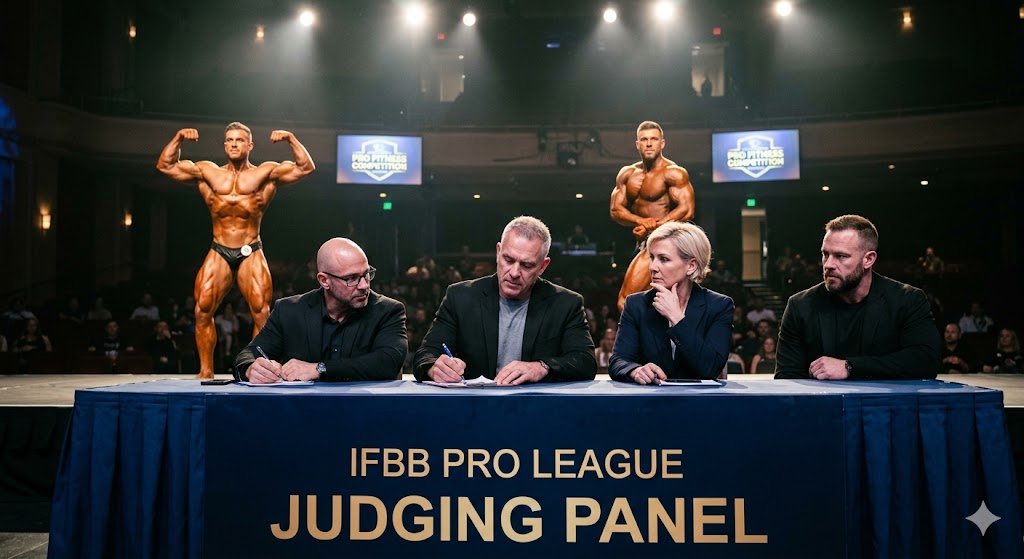
The idea of professional fitness as a competitive sport has reshaped how people view exercise and physical training. What was once considered a personal health habit has now become a structured, global industry with professional athletes, strict competition rules, and international events. Within the first 100 words, it is important to understand that fitness today goes far beyond gym routines—it is a discipline where performance, aesthetics, and endurance are measured with precision.
Athletes dedicate years to mastering their bodies, refining techniques, and preparing for competitions that demand both physical excellence and mental strength. This transformation has helped fitness earn recognition as a legitimate sport worldwide.
What Defines Professional Fitness as a Competitive Sport
At its core, professional fitness as a competitive sport is built on the same foundation as traditional sports: competition, rules, and measurable performance. Athletes are judged not only on how they look but also on how well they perform specific physical tasks.
Judging Criteria and Standards
In competitive fitness, judges evaluate multiple factors, including:
- Muscle symmetry and proportion
- Physical conditioning and body fat levels
- Strength, agility, and endurance performance
- Technical execution and stage presentation
These criteria ensure that athletes are assessed in a structured and standardized way, reducing randomness and increasing fairness in scoring systems.
Unlike casual workouts, competitive fitness requires athletes to meet strict benchmarks set by international federations and event organizers.
Training Demands Behind Elite Fitness Athletes
One of the most defining aspects of professional fitness as a competitive sport is the level of discipline required in training. Athletes follow carefully designed programs that often change depending on competition cycles.
Typical preparation includes:
- Training sessions 5–6 days per week
- Workouts lasting 1–3 hours per day
- Structured phases such as bulking, cutting, and peak conditioning
- Detailed nutrition plans with precise calorie and macro tracking
Recovery is equally important. Elite athletes prioritize sleep quality, mobility work, physiotherapy, and sometimes sports psychology to maintain peak performance.
Every decision—from meal timing to workout intensity—is made with competitive outcomes in mind.
Major Competition Categories in Modern Fitness Sport
The world of fitness competition is diverse, with several distinct categories under the umbrella of professional fitness as a competitive sport.
Bodybuilding
Focused on maximum muscle development, definition, and stage presentation. Athletes aim for extreme conditioning and symmetry.
CrossFit Competitions
These events test a wide range of abilities, including strength, endurance, speed, and functional movement under timed conditions.
Men’s Physique and Bikini Fitness
These categories emphasize aesthetics, proportion, and overall presentation rather than extreme muscular size.
Functional Fitness Events
Competitors perform real-world physical tasks such as lifting, running, climbing, and obstacle-based challenges.
Each category follows its own judging system, ensuring that different athletic strengths are properly evaluated.
Mental Discipline and Lifestyle Demands
Beyond physical ability, professional fitness as a competitive sport demands exceptional mental resilience. Athletes often follow strict diets for months and maintain intense training schedules even when motivation is low.
Key psychological challenges include:
- Managing long-term dietary restrictions
- Handling pressure during competitions
- Maintaining consistency during fatigue phases
- Staying focused during preparation cycles
This mental discipline is often what separates elite athletes from average competitors. Success in fitness sport is as much about mindset as it is about physical capability.
The Global Growth of Fitness Sport Industry
Over the past decade, fitness has evolved into a global industry supported by sponsorships, media coverage, and social platforms. Competitions now attract international audiences and professional athletes from all over the world.
The rise of digital platforms has also allowed athletes to build personal brands, turning competitive fitness into a full-time career for many. This visibility has contributed to the growing recognition of professional fitness as a competitive sport on a global scale.
Conclusion
In conclusion, professional fitness as a competitive sport represents a powerful blend of discipline, athleticism, and dedication. It is no longer just about gym routines or personal goals—it is a structured system where athletes push the limits of human performance.
As the sport continues to grow, it is gaining wider respect and legitimacy across the world. What once began as a lifestyle choice has now become a demanding and respected athletic profession.
Related Articles
- The Rise of Modern Bodybuilding Competitions
- How CrossFit Changed Functional Training Forever
- Beginner Guide to Fitness Nutrition and Performance
- Mental Strength in Professional Sports Training
Further Reading
- World Health Organization (WHO) – Physical Activity Guidelines
- Mayo Clinic – Exercise and Fitness Resources