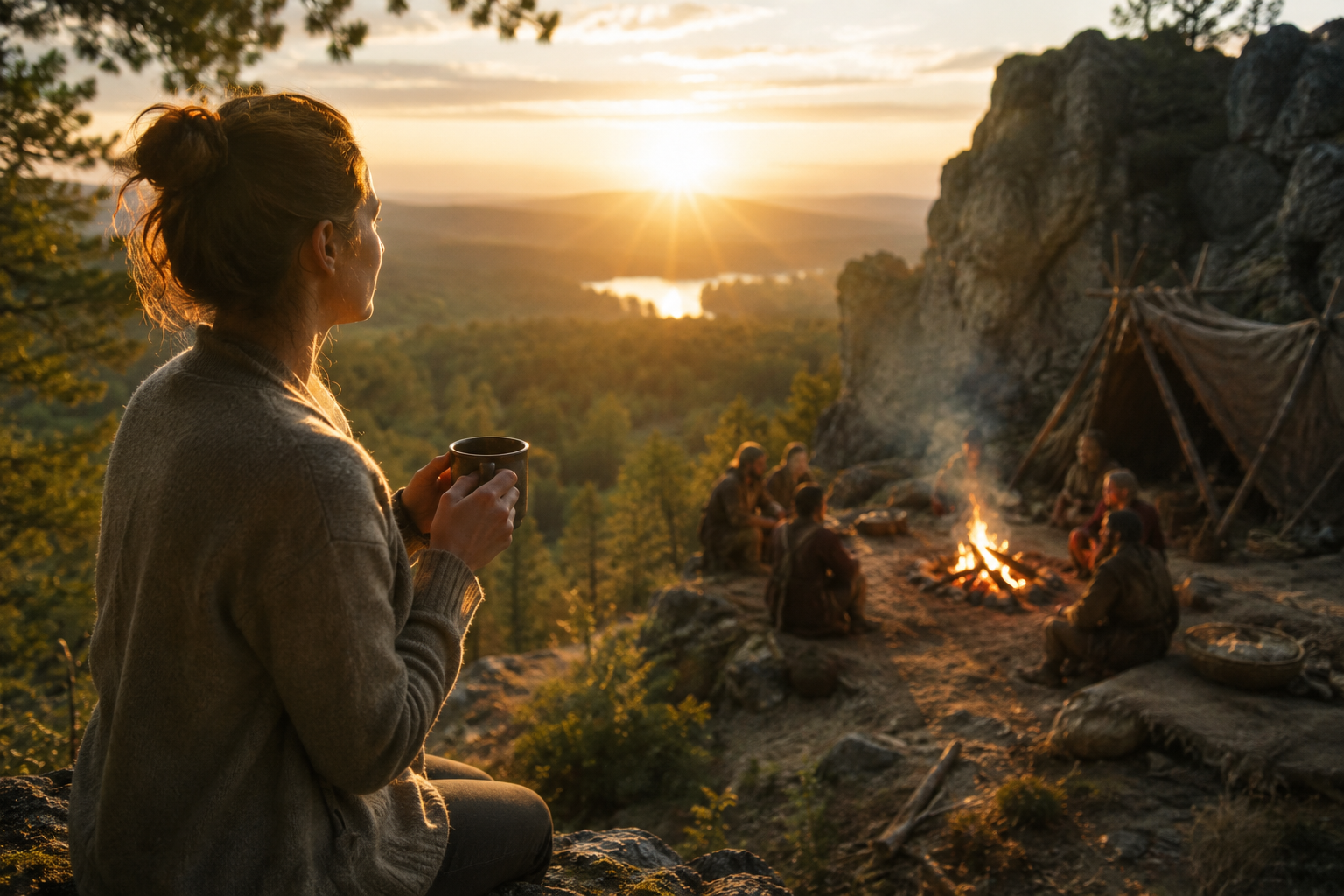
Sleep advice today often centers on a familiar formula: get eight hours of uninterrupted rest in a cool, dark, quiet room. While these recommendations are supported by modern sleep research, new discussions around hunter-gatherer sleep habits suggest that human sleep may be more flexible than many people realize.
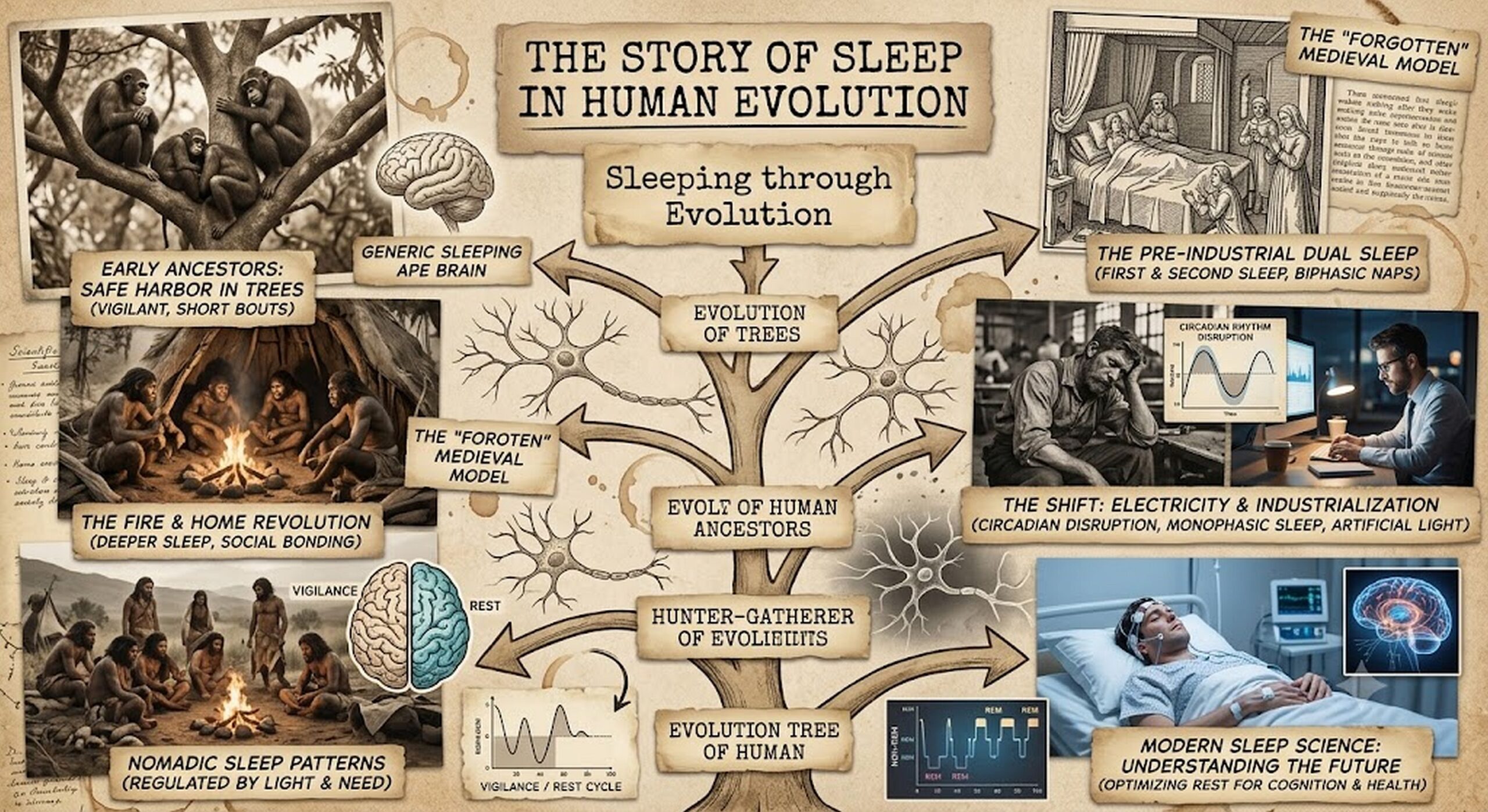
Anthropologists and sleep researchers studying human evolution have discovered that our ancestors slept differently from what is commonly considered ideal today. Their findings offer a fascinating look into how sleep evolved and what modern lifestyles may be missing when it comes to supporting healthy rest.

Rather than encouraging people to abandon modern comforts, these insights help explain the relationship between sleep, natural light, social environments, and the body’s internal clock.
How Human Sleep Evolved
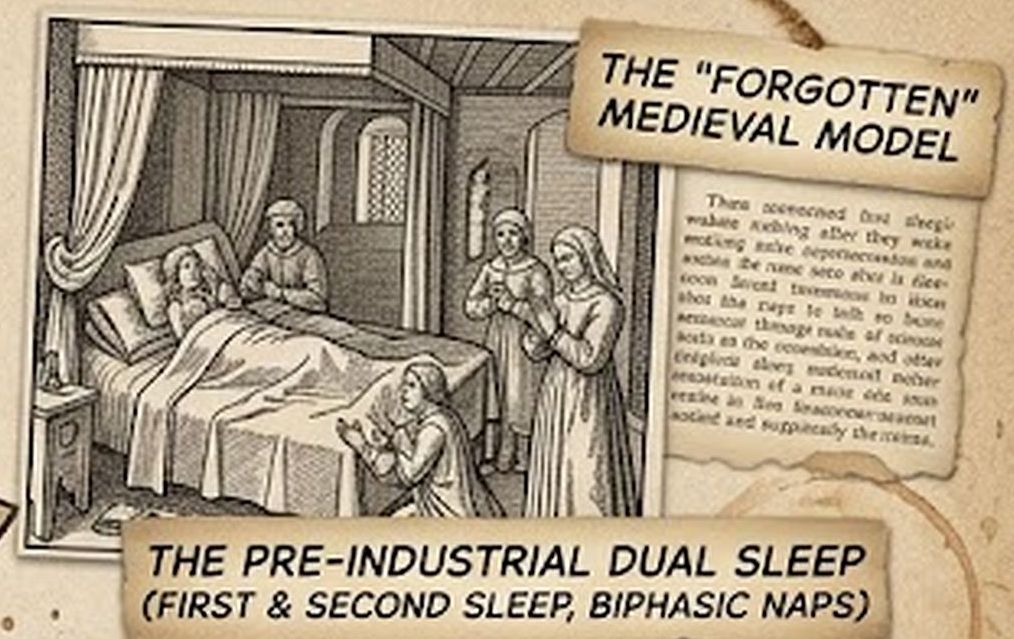
For much of human history, sleep occurred under very different conditions than those found in modern homes. Early humans lacked electric lighting, climate control, blackout curtains, and digital devices.
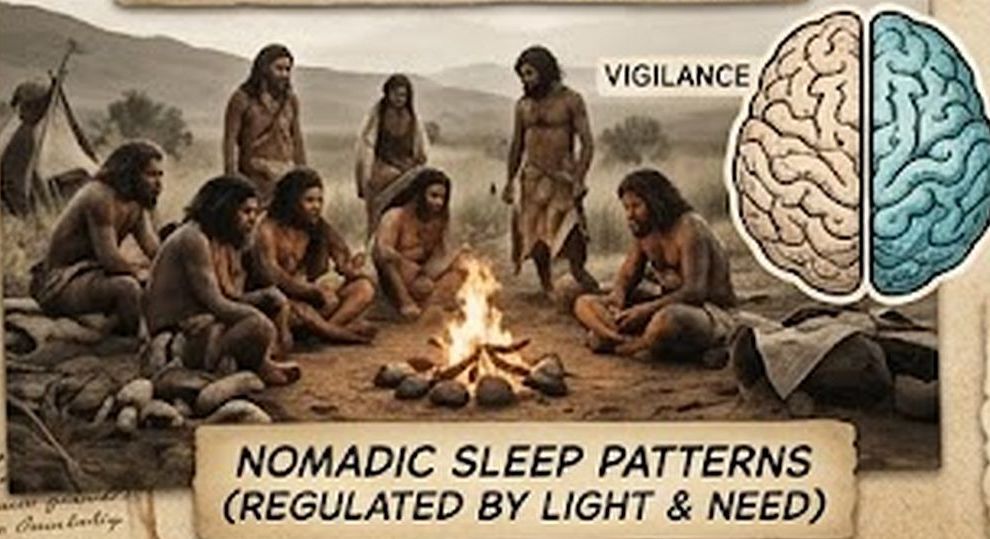
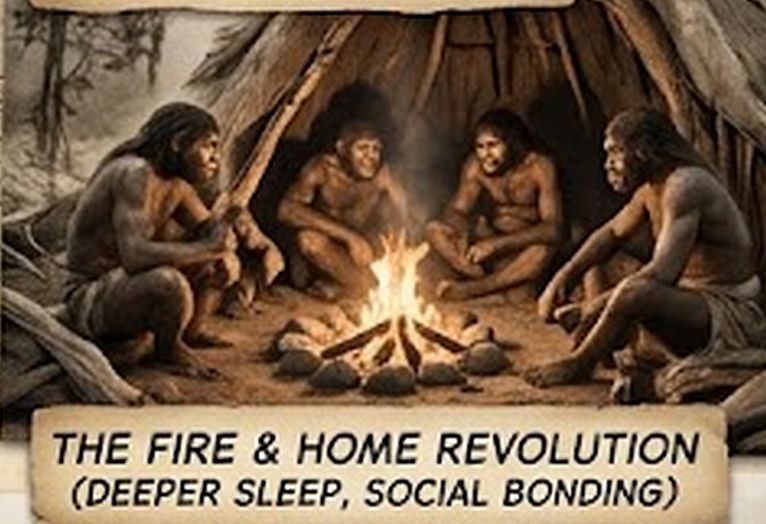
According to research examining human evolution and sleep behavior, our ancestors gradually transitioned from sleeping in trees, like other primates, to resting on the ground in organized social groups. This shift likely occurred alongside the development of controlled fire, communal living, and increased cooperation among early humans.
Sleeping in groups provided a level of protection. In a community, some individuals naturally remained more alert at different times of the night, creating a form of shared vigilance that enhanced safety.
This social environment may have allowed humans to develop unique sleep patterns that differed from those of other primates.
Why Humans Sleep Less Than Other Primates
One surprising finding from evolutionary sleep research is that humans appear to sleep fewer hours than most primates.
Scientists have found that based on body size and biological characteristics, humans might be expected to sleep significantly longer. Yet across cultures, the average sleep duration is often closer to seven hours.
Despite spending less time asleep overall, humans experience a relatively large amount of REM (Rapid Eye Movement) sleep, the stage most commonly associated with dreaming, emotional processing, memory consolidation, and creative thinking.
The Importance of REM Sleep
REM sleep plays an important role in cognitive function. Researchers believe it contributes to learning, problem-solving, emotional regulation, and memory formation.
Some experts suggest that increased REM sleep may have supported the development of human creativity, innovation, and social complexity throughout evolution.
While many factors contribute to human success as a species, sleep quality appears to be one piece of the puzzle.
Hunter-Gatherer Sleep Habits and Circadian Rhythms
What Hunter-Gatherer Sleep Habits Reveal
One of the most valuable lessons from studying traditional hunter-gatherer communities involves circadian rhythms—the natural biological processes that regulate sleep and wakefulness.
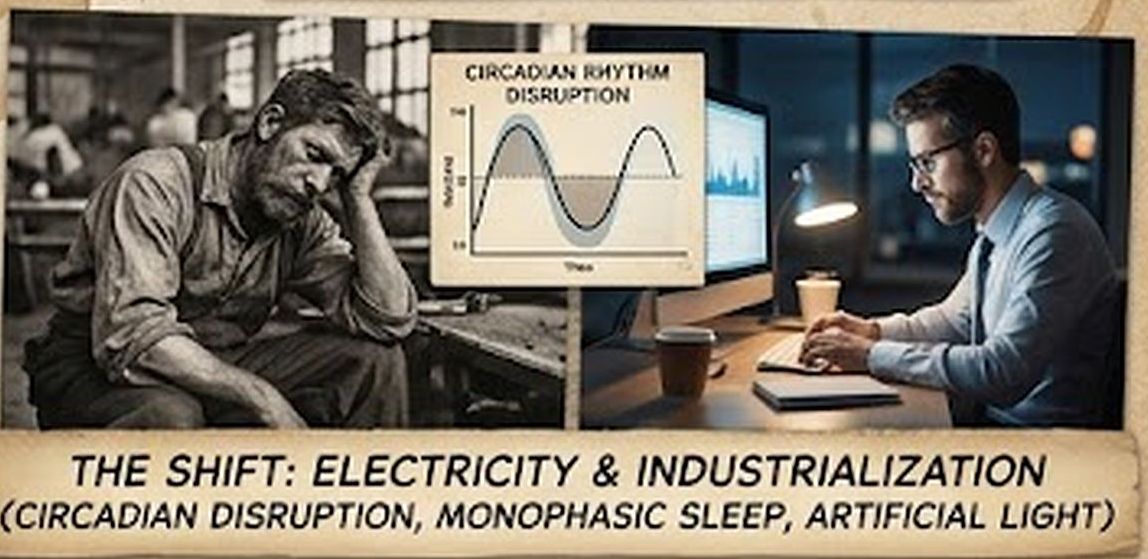
Many modern people spend the majority of their day indoors under artificial lighting. By contrast, hunter-gatherer populations experience consistent exposure to natural daylight and darkness.
Researchers have observed that regular interaction with natural light appears to help maintain a stronger connection between the body’s internal clock and the surrounding environment.
This relationship influences when people feel alert, sleepy, and energized throughout the day.
Natural Light as a Sleep Tool
Exposure to morning sunlight is considered one of the strongest signals for regulating circadian rhythms.
Sleep specialists often recommend spending time outdoors shortly after waking. Even a brief walk, morning coffee on a balcony, or a few minutes in natural daylight may help reinforce healthy sleep-wake patterns.
Likewise, reducing exposure to bright artificial light in the evening can support the body’s natural preparation for sleep.
Modern Habits That May Disrupt Sleep
While modern technology offers many conveniences, it can also interfere with biological rhythms.
Common factors associated with sleep disruption include:
- Excessive evening screen use
- Irregular sleep schedules
- Limited daylight exposure
- Late-night eating
- High levels of stress
Researchers increasingly emphasize that sleep is influenced by what happens throughout the entire day, not just the hours spent in bed.
This broader perspective aligns with evolutionary theories suggesting that healthy sleep depends on maintaining harmony between behavior and biology.
Practical Lessons for Better Sleep
Although few people will live exactly like ancient hunter-gatherers, several practical strategies inspired by evolutionary research can support better rest:
Prioritize Morning Light
Spend time outdoors shortly after waking whenever possible.
Create Dim Evenings
Reduce bright lighting and screen exposure before bedtime.
Maintain Consistent Routines
Going to bed and waking up at similar times helps reinforce circadian rhythms.
Allow Time Between Dinner and Sleep
Many sleep experts recommend finishing larger meals several hours before bedtime.
Stay Physically Active
Regular movement supports overall health and may contribute to improved sleep quality.
The Future of Sleep Science
Modern sleep research continues to evolve. Scientists are increasingly combining insights from anthropology, neuroscience, psychology, and chronobiology to better understand how humans sleep.
Rather than viewing sleep solely as a nighttime activity, researchers now examine how daily behaviors, environmental conditions, and biological rhythms interact over a full 24-hour cycle.
This broader approach may help explain why some people struggle with sleep despite having comfortable bedrooms and ideal sleeping conditions.
Conclusion
The study of hunter-gatherer sleep habits offers a fascinating perspective on the relationship between evolution and modern health. While our ancestors lived in environments vastly different from today’s world, some aspects of their lifestyle—particularly their connection to natural light and biological rhythms—remain highly relevant.
Modern sleep science increasingly supports the idea that quality rest is influenced not only by what happens at night but also by how we live during the day. By combining contemporary knowledge with lessons from human evolution, people may discover practical ways to improve sleep, support well-being, and develop healthier daily routines.
Sources & References
The article is primarily based on the work and interviews of anthropologist David Samson and research discussed in his book on the evolution of human sleep.
Main Sources
- David Samson – University of Toronto
- Associate Professor of Anthropology
- Research focus: sleep evolution, primate behavior, hunter-gatherer sleep patterns
- https://www.utoronto.ca
- The Sleepless Ape: The Story of Sleep in Human Evolution
- Author: David Samson
- Publisher: Princeton University Press
- https://press.princeton.edu
- University of Toronto
- Research and academic profile of David Samson
- https://www.utoronto.ca
Scientific Topics Referenced
REM Sleep Research
- National Sleep Foundation – REM Sleep
- Harvard Medical School – Sleep Medicine
- National Institutes of Health (NIH) – Sleep and Circadian Rhythms
Circadian Rhythm Resources
- Centers for Disease Control and Prevention (CDC) – Sleep and Sleep Disorders
- National Institute of General Medical Sciences – Circadian Rhythms
- Sleep Foundation – Circadian Rhythm Guide
Human Evolution & Anthropology
- Smithsonian National Museum of Natural History – Human Origins
- American Anthropological Association
- Princeton University Press – The Sleepless Ape
Further Reading
- Harvard Medical School – Sleep Health
- National Sleep Foundation
- CDC Sleep Health Resources
- Smithsonian Human Origins Program
- Princeton University Press – The Sleepless Ape
Original Article Credit
The text is based on an interview originally published by CNN Health discussing David Samson’s book The Sleepless Ape: The Story of Sleep in Human Evolution and the role of evolutionary sleep patterns in modern health.
- CNN Health