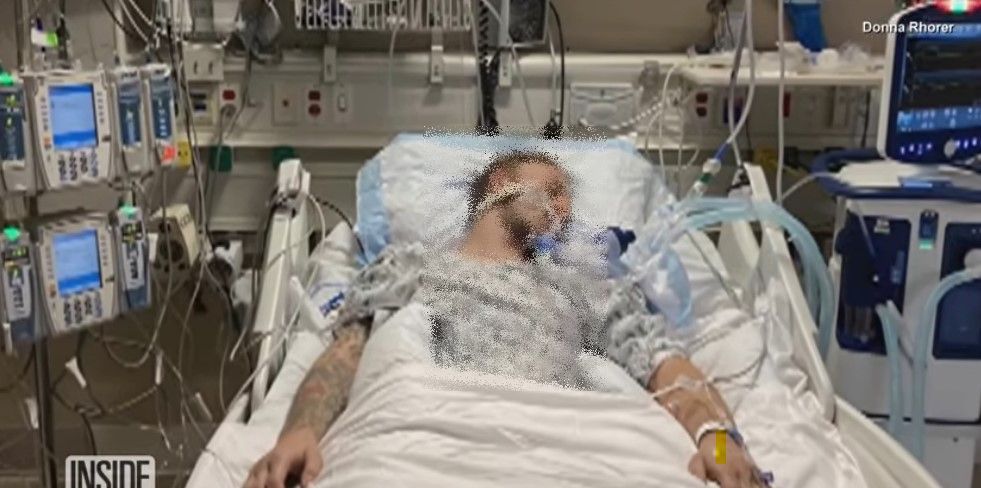
A medical case from Kentucky has drawn widespread attention after a man reportedly showed clear signs of consciousness shortly before a planned organ recovery procedure. The incident, which occurred in 2021, has prompted renewed discussion about how organ donation decisions are made and the safeguards designed to protect patients.
While the overwhelming majority of organ donations are carried out safely under strict medical and ethical standards, rare cases like this have sparked public interest and calls for continued review of clinical procedures.

A Medical Emergency Changed Everything
According to reports, TJ Hoover, a young man from Kentucky, suffered cardiac arrest following a drυg overdose in 2021. He was hospitalized in critical condition, placed on a ventilator, and remained unresponsive for several days while receiving intensive medical care.
As his condition appeared unlikely to improve, preparations were reportedly made for organ donation in accordance with established medical protocols.
Family members gathered at the hospital as Hoover was transported toward the operating room, believing they were saying their final goodbyes.

Family Says They Noticed Signs of Awareness
During the emotional moments leading up to the procedure, Hoover’s sister, Donna Rhorer, later recalled that she believed her brother was still aware of his surroundings.
According to interviews describing the event, she felt there were signs suggesting that he was “still in there,” despite his critical condition.
Her observations would soon be followed by an unexpected development.
Unexpected Movement in the Operating Room
Reports indicate that while medical staff were preparing for the organ recovery procedure, Hoover began showing visible signs of consciousness.
Witnesses said he opened his eyes, blinked, and later appeared emotional while on the operating table before surgery began.
The procedure was stopped, and Hoover continued receiving medical treatment instead of organ recovery.
Why Cases Like This Receive Attention
Medical experts emphasize that organ donation follows rigorous legal and ethical standards. Patients must meet strict medical criteria before organ recovery can proceed, and multiple healthcare professionals are typically involved in determining eligibility.
Cases involving unexpected neurological improvement are considered extremely uncommon. However, incidents like this often lead to discussions about patient evaluation, neurological assessments, and opportunities to strengthen existing safeguards.
Healthcare organizations continually review procedures to ensure the highest standards of patient safety and public trust.
Organ Donation Remains a Life-Saving Practice
Despite the attention generated by rare stories, organ donation continues to save thousands of lives each year. Transplanted organs provide critical treatment for patients with severe heart, liver, kidney, lung, and other organ diseases.
Medical professionals stress that donation systems are built around extensive evaluations intended to protect both donors and recipients while following strict ethical guidelines.
Ongoing Discussion
Hoover’s experience has become part of a broader conversation about patient care, neurological assessments, and transparency in the organ donation process.
Although unusual cases naturally receive significant public attention, experts note that they remain exceptionally rare compared with the large number of successful organ donations performed each year.
The incident serves as a reminder of the importance of continuous medical review, careful clinical judgment, and maintaining public confidence in one of modern medicine’s most important life-saving programs.