Weight Training: The Secret to a Longer, Healthier Life?
Meta Description: New research shows that 90-120 minutes of weekly weight training can significantly reduce the risk of early death from heart disease, stroke, and neurological conditions.
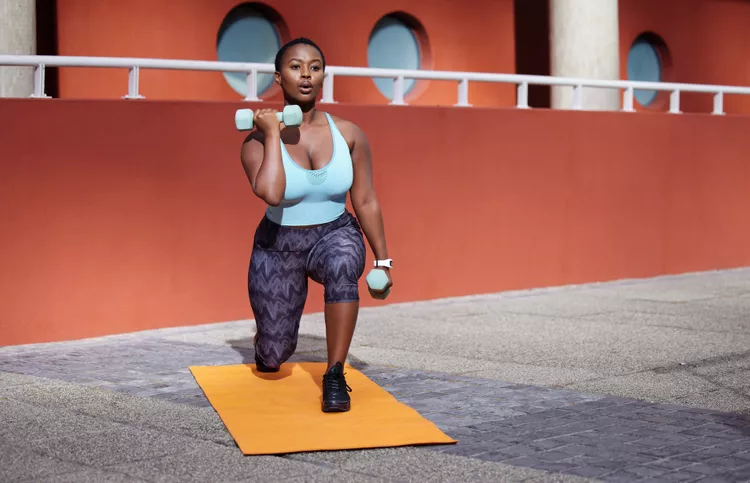
For decades, the spotlight on physical fitness has often been dominated by aerobic activities like running, cycling, or swimming. However, compelling new research is shifting that focus, suggesting that picking up a pair of dumbbells may be one of the most effective ways to secure your longevity. According to recent findings, dedicating just 90 minutes to two hours of weight training per week can drastically reduce the risk of early death.
The Power of Resistance
The data, gathered from longitudinal studies spanning several decades, paints a clear picture: consistency is key. Engaging in regular resistance or weight training over an extended period does more than just build muscle—it serves as a potent preventative measure against some of the world’s leading killers.
Researchers observed a significant decrease in the probability of death stemming from:
Cardiovascular Disease: Strength training improves heart health and vascular function.
Stroke: By managing blood pressure and metabolic health, resistance work lowers the risk of cerebrovascular events.
Neurological Disease: The benefits extend to the brain, helping to delay or prevent the onset of age-related cognitive decline.
Health experts are championing these results as definitive evidence that strength-based training is a vital public health tool. Beyond the individual benefits, widespread adoption of these habits could significantly ease the strain on overstretched healthcare services by preventing chronic illnesses before they require intensive intervention.
Thinking Beyond Today
For many, weight training is associated with aesthetic goals or immediate performance boosts. However, a growing number of young adults are viewing resistance training through the lens of long-term health and independence.
Kate Hogarth, 28, represents this new wave of fitness enthusiasts. While she appreciates the immediate “confidence boost” and mental clarity that a good lifting session provides, her focus is firmly fixed on her future.
“I want to be independent later in life,” Hogarth explains. “There’s so many studies out there which show all of the benefits from strength training, for your cardiovascular health, your muscles, your bones, your mental health.”
For Hogarth, the “why” behind her workout routine is deeply personal. It isn’t just about looking good in the present; it is about preserving her mobility and agency in her later years. She envisions a future where she is still traveling the world well into her 80s and 90s, and possesses the physical strength to interact with her family with ease. “I want to be able to pick up my grandkids and play with them, and having that level of independence is really important.”
A Call to Action
The takeaway from these studies is both simple and empowering: you do not need to spend hours in the gym every single day to reap life-altering rewards. By committing to just 90 to 120 minutes of resistance training per week—a manageable goal for most people—you are investing in a future of vitality. Whether you are lifting to improve your health metrics or to ensure you can play with your grandchildren decades from now, the evidence is clear: strength is not just a physical trait—it is the foundation of a long and independent life.